
01
Survey before setting the repair scope先检查,再确定修补范围
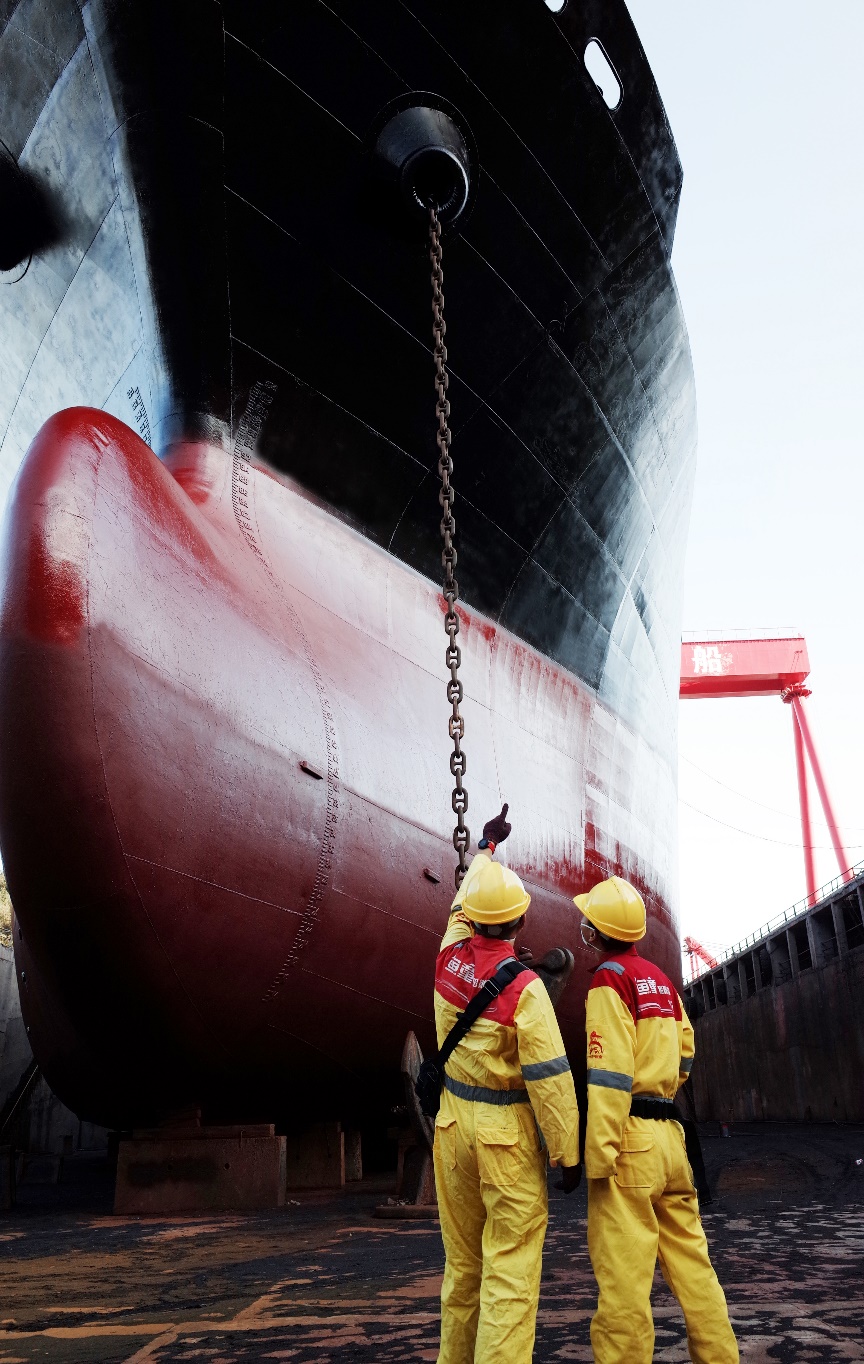
A useful dock survey distinguishes fouling and staining from coating breakdown, corrosion and mechanical damage. Record the affected areas and the previous coating system where known. Adhesion, layer build-up and the condition after washing help determine whether local repair, a sealer or more extensive removal is appropriate.坞内检查应区分污损、表面沾污、涂层失效、锈蚀与机械损伤。记录受损部位,并尽量核实原涂层配套。清洗后的状态、附着情况与旧漆累积厚度,会影响局部修补、封闭过渡或大面积去除的选择。
02
Work backwards from the undocking date从出坞时间倒排施工
Blasting, cleaning, coating and curing compete for the same dock window. Steel temperature, humidity and ventilation can change the time available between coats. The final coat must have the required interval before immersion; a surface that feels dry is not necessarily ready for launch.喷砂、清洁、涂装和固化都需要占用坞期。钢板温度、湿度和通风条件会改变复涂时间。最后一道涂层还必须满足下水前的时间要求,表面摸起来干燥,并不等于已经可以下水。
03
Match underwater protection to the next voyage cycle让水下防护适应下一运营周期
Discuss vessel speed, trading waters, idle periods and the intended period to the next docking. These inputs matter when selecting antifouling. Keep underwater antifouling, boot-top repair and topside finishing as distinct tasks, with compatible transitions between retained and new coatings.选择防污漆时,应考虑航速、航区、停泊时间和计划坞修间隔。水下防污、水线修补和水线上部面漆是不同工作,需要分别安排,同时处理好保留旧涂层与新涂层之间的衔接。