
01
Choose a manageable repair area分区域安排可完成的修补
Salt deposits, grease and loose corrosion must be addressed before painting. Select a repair area the crew can prepare and coat within the available weather window. Feather sound coating edges and avoid burying loose paint under new coats. A surface-tolerant primer still needs the preparation stated in its technical data sheet.涂漆前要处理盐分、油污和松动锈蚀。修补范围应控制在船员能够完成处理、且天气允许施工的面积内。完好旧漆的边缘需打磨过渡,不应将松动漆膜直接覆盖。低表面处理底漆也有明确的表面处理要求。
02
Check what is already on board先核对船上已有涂料
Identify the existing coating and match the repair primer and finish to it. Record product names, batch numbers, shelf life and storage conditions. Two-component coatings require the specified mixing ratio and use within pot life; splitting packs by eye creates avoidable risk.核实原涂层,并选择相容的修补底漆和面漆。记录产品名称、批号、储存期限与储存条件。双组分涂料需要按规定比例混合,并在适用期内使用,不宜凭目测拆分包装配料。
03
Separate routine upkeep from specialist work区分日常保养与专业施工
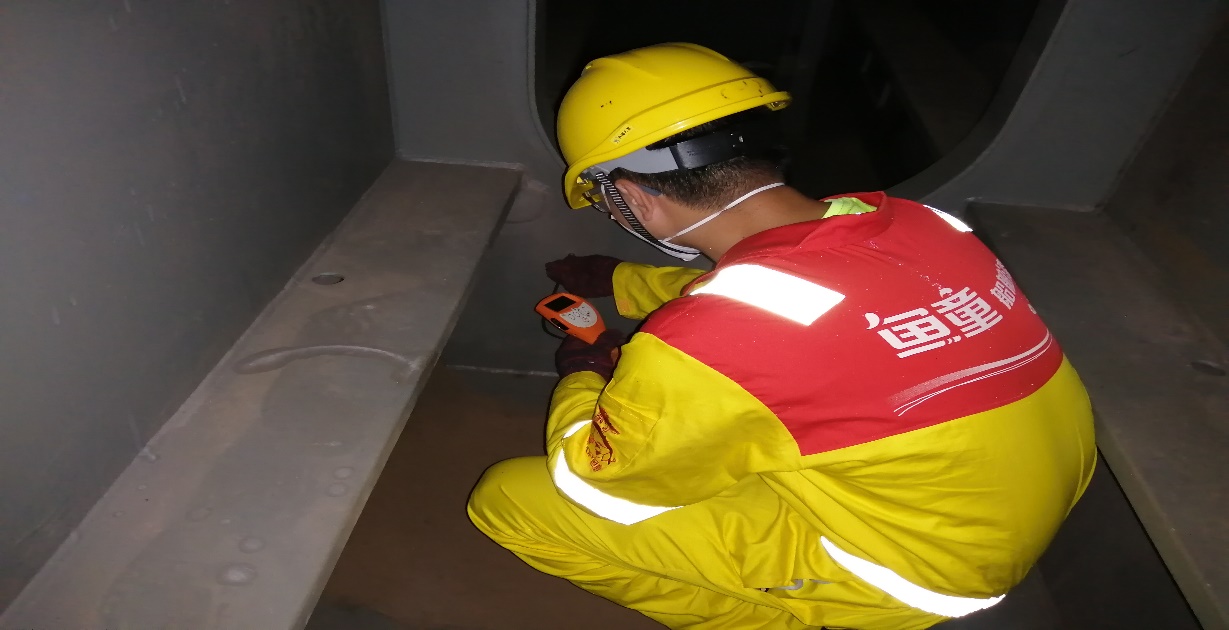
Deck fittings and accessible atmospheric steelwork are different from immersed hull areas or tank linings. Enclosed-space entry, ventilation and hot-work restrictions remain part of the vessel’s safety procedures. Plan specialist preparation and lining work with a suitable yard or contractor.甲板附件及可接近的露天钢结构,与水下船体或舱室内衬的施工条件不同。密闭空间进入、通风和动火限制,应遵守船舶安全程序。需要专业处理或内衬施工的工作,应与具备条件的船厂或承包方安排。